Beezz Fryer
As air fryers gain popularity in modern kitchens, many users encounter an unusual issue: the smell of plastic during cooking. This phenomenon raises a crucial question: why does my air fryer smell like plastic? According to culinary expert and appliance specialist, Dr. Lisa Fischer, “A plastic smell can often indicate overheating components or residual materials.” Her insights shed light on why air fryer users experience this unsettling olfactory sensation.
New users might not expect their kitchen gadgets to emit strange odors. It can be alarming to open an air fryer and encounter a pungent plastic scent. This smell often stems from protective coatings or materials used in manufacturing. If you have just purchased an air fryer, this issue may be common but does warrant some caution. It raises concerns about food safety and appliance quality.
Understanding the various reasons for this smell can alleviate concerns and improve cooking experiences. Regular cleaning and breaking in the appliance can help minimize unwanted odors. Still, if the smell persists, it may be a sign to inspect the air fryer. After all, ensuring safety while enjoying delicious, crispy meals is paramount for any home cook.
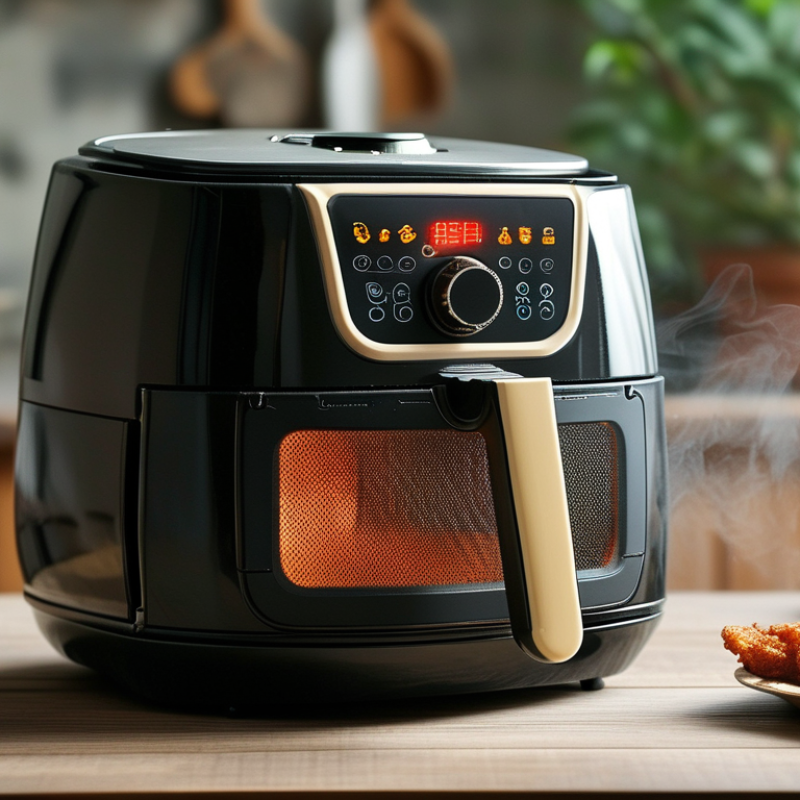
If your air fryer emits a plastic smell when cooking, it's crucial to pinpoint the cause. One common reason is the presence of leftover packaging materials. Many air fryers come with protective plastics or coatings that may not be removed prior to use. These can emit unpleasant odors when heated. Always check for any protective films that need to be peeled off before running your appliance.
Another potential cause is overheating. Air fryers operate at high temperatures, which can cause food residues or oils to burn, creating a plastic-like smell. Regular cleaning can help mitigate this issue. Yet, not all areas may be reached easily, leading to lingering odors.
In some cases, the internal components of the air fryer may be the source of the smell. Over time, components can wear out or degrade, releasing odors. This is often overlooked until it becomes noticeable. Keeping an eye out for changes in cooking efficiency can indicate deeper issues.
When cooking with an air fryer, some users notice a plastic smell. This can often be traced to materials used in the appliance's construction. Many air fryers contain plastic components that can emit odors when heated. These plastics may be subjected to high temperatures, leading to their breakdown and the release of volatile organic compounds (VOCs). Research indicates that prolonged exposure to high temperatures can exacerbate the release of these compounds, especially in low-quality materials.
Not all plastics are created equal. The most common types found in kitchen appliances include polypropylene and polycarbonate. While polycarbonate is known for its durability, it can produce a plastic smell at high temperatures. A report from the American Chemical Society suggests that these materials can off-gas potentially harmful substances. Therefore, investing in an air fryer made of higher-grade materials is crucial for both health and longevity.
**Tips:** Always allow your new air fryer to preheat empty for about 15 minutes. This helps burn off any initial odors. Use silicone or metal utensils, as plastic utensils may worsen the smell. Lastly, make sure to clean your air fryer thoroughly after each use. Residue can contribute to unwanted smells over time.
| Material | Common Uses | Potential Odor Issues | Mitigation Tips |
|---|---|---|---|
| Plastic | Housing, Control Panel | New plastic smell due to heating | Run air fryer empty at high temperature for 10-15 min |
| Non-stick Coating | Basket, Trays | Chemical smell from overheat | Avoid using high temperatures beyond recommended |
| Silicone | Seals, Gaskets | Burning smell if damaged | Regularly check for wear and replace if needed |
| Metal | Heating Elements | Occasional burnt residue smell | Clean regularly after use |
When using your air fryer, a plastic smell can sometimes emerge. High temperatures can have a significant impact on its components. The heat generated during cooking can cause certain plastics in the appliance to emit odors. This is particularly evident with new air fryers, as residual manufacturing oils or plastics may not have fully settled.
To address this issue, you can preheat the air fryer without food. Set it to a high temperature for about 10-15 minutes. This can help burn off any lingering chemicals. Use this time to ventilate your kitchen. Open windows to allow fresh air in, which can help keep the cooking area comfortable.
Using accessories in your air fryer, like silicone mats or pans, can also be a game-changer. These materials are typically heat-resistant and don’t emit unwanted odors. Always ensure that any accessory you choose is labeled for high-temperature use. Regularly inspecting the air fryer for wear or damage is essential, as compromised components might contribute to unpleasant smells.
Air fryers can occasionally emit a plastic smell during cooking. This odor is often a result of the materials used in the appliance’s construction. According to a report by the Consumer Product Safety Commission, some air fryers contain plastic components that may release odors when subjected to high temperatures. The smell can be particularly strong with new units, as they may still have residual manufacturing chemicals.
To minimize plastic smells, it’s advisable to preheat the air fryer before cooking. This process can help eliminate initial odors by burning off residues. Additionally, cooking at the right temperature is crucial. A temperature above 400°F can release more volatile compounds. Using parchment paper or silicone liners can also provide a barrier, preventing direct contact with hot surfaces. It is vital to ensure your air fryer is clean. Residue from previous cooking can intensify unwanted smells.
While many users report odors can be bothersome, it’s important to note that they typically subside over time with regular use. However, if the smell persists, it may be worth investigating further. Regular maintenance and proper usage can greatly reduce these irritants. Using fresh produce and avoiding processed foods can also help. Trying out these tips may improve your cooking experience significantly.
If your air fryer emits a plastic smell while cooking, it’s vital to assess the situation. This odor can be a sign of overheating or that the appliance is new and hasn’t fully off-gassed.
If your air fryer is brand new, run it empty at a high temperature for about 20 minutes. This can help eliminate some initial odors. However, if the smell lingers, it may indicate a more serious issue.
Consider seeking professional help if you notice continuous plastic smells. This might suggest melting components or electrical problems. Inspect the fryer carefully for any signs of damage. Look for melted plastic or sensitive areas that have changed color. A damaged fryer may pose safety risks. If you get an unusual burning smell or the odor intensifies, that’s a red flag.
Replacement might be necessary if you find that your air fryer consistently has a plastic smell. Evaluate your cooking habits too. Improper use can lead to problems. Regular maintenance is crucial. Clean the fryer after each use and check for blockages. Awareness of these signs can help ensure safety and efficiency in your cooking space.
: The smell is often caused by plastic components breaking down at high temperatures, releasing volatile organic compounds.
Preheat your air fryer empty for about 15 minutes to burn off initial odors. This helps.
Common materials include polypropylene and polycarbonate. These can emit smells when heated.
While bothersome, smells usually decrease over time. If they persist, inspect the appliance for issues.
Use silicone or metal utensils instead of plastic ones. They reduce unnecessary odors during cooking.
If the odor is strong, ensure it's cleaned thoroughly. Persistent smells may indicate a need for inspection.
Yes, cooking above 400°F can release more volatile compounds. It’s best to monitor your cooking temperature.
Use silicone mats or high-temperature labeled pans. They are less likely to emit odors than plastic ones.
Clean it thoroughly after each use. Residue can contribute to unwanted smells over time.
Yes, new units might retain manufacturing chemicals, leading to more noticeable odors initially.
If you've encountered the question, "why does my air fryer smell like plastic," you're not alone. This issue can arise from several common causes, including the types of materials used in the air fryer's construction, which may emit odors when heated. High temperatures can impact these components, leading to the release of unpleasant smells. To mitigate this, it's recommended to preheat the appliance, regularly clean it, and avoid cooking at excessively high temperatures.
In some cases, persistent plastic smells may indicate a malfunction or deterioration of parts, signaling when it might be time to seek professional help or consider replacing the air fryer. Understanding these factors can help you enjoy your cooking experience without any unwanted odors.
