Beezz Fryer
Air frying has gained significant popularity in modern kitchens, transforming how we prepare and enjoy food. According to a report by the Global Market Insights, the air fryer market is expected to surpass $1.5 billion by 2027. This surge is fueled by consumers' desire for healthier cooking methods. But how does air frying work?
Air frying relies on rapid air circulation to create crispy textures. This method uses less oil compared to traditional frying, making it a healthier option. However, achieving perfect results can be challenging. Many users struggle with cooking times and temperature settings, which can lead to unevenly cooked meals.
Understanding the science behind air frying is crucial. A 2020 study published in the Journal of Food Science highlighted that air-fried foods can retain more nutrients compared to deep-fried options. Despite its advantages, air frying requires practice and patience. Users must consider variables like ingredient size and moisture content to optimize their results. The journey to mastering air frying involves learning from mistakes and adjusting techniques, leading to delicious outcomes.
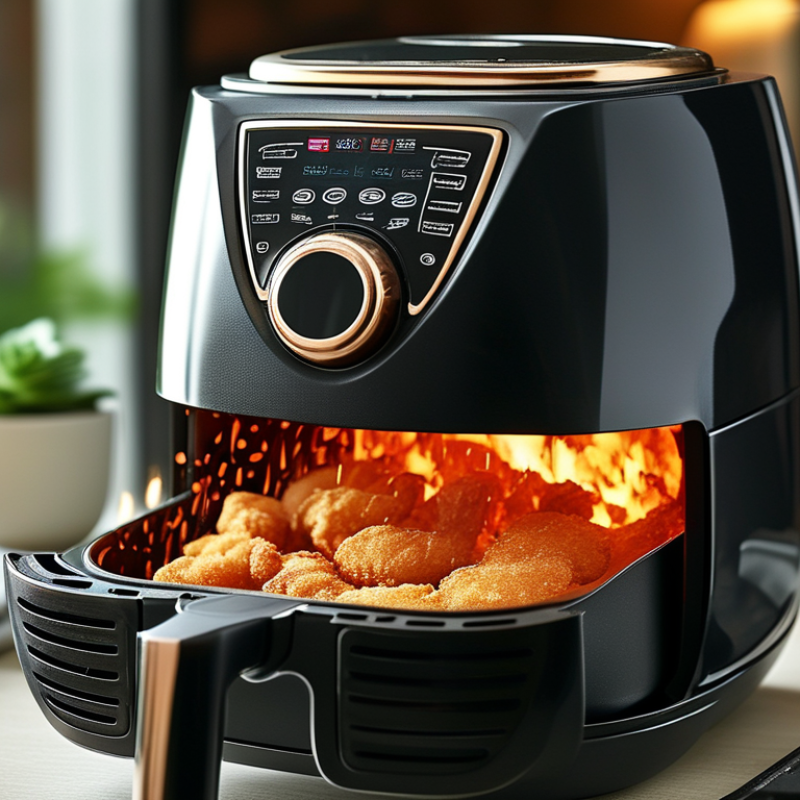
Air frying has gained popularity for its ability to produce crispy food with less oil. The technology involves circulating hot air around the food. This rapid air circulation mimics the frying process but with up to 80% less fat, making it a healthier option. According to recent reports, air fryers can reach temperatures up to 200°C within minutes, allowing for quicker cooking times compared to traditional ovens.
The science behind air frying relies on convection heat transfer. Hot air is forced around the food, promoting even cooking and browning. A professional food science study highlighted that foods cooked in an air fryer often retain more nutrients compared to deep frying. However, it’s crucial to arrange food in a single layer for optimal airflow. Overcrowding the basket can lead to uneven results, leaving some pieces undercooked.
Experimentation is key when using an air fryer. Cooking times can vary significantly based on the thickness of food and the specific model. Users may find that adjusting the temperature or flipping foods halfway through ensures better outcomes. Many still grapple with achieving that golden-brown finish, which may require practice and adjustments in technique. Embracing these small challenges can enhance one’s air frying skills over time.
This chart illustrates the ideal cooking times for various food items when using an air fryer. Each food item has a different recommended cooking duration to achieve perfect results.
Air fryers are revolutionizing cooking methods in many kitchens today. One key feature is their convection technology. This method circulates hot air around food, creating a crispy exterior while keeping the inside tender. It can dramatically reduce cooking time. However, proper preheating is vital. If not done, your food may come out unevenly cooked.
Another important aspect is temperature control. Many air fryers have adjustable settings. This allows chefs to select the perfect temperature for different foods. Yet, it’s essential to remember that not all air fryers heat uniformly. Testing various cooking times and temperatures can lead to imperfect results, requiring adjustments along the way.
Additionally, the size of the air fryer can impact cooking efficiency. A smaller fryer may limit batch sizes, while larger units can handle more food at once. This can be a drawback if space is an issue. Using parchment paper can improve air circulation, but it’s often overlooked. Experimenting with different accessories can enhance your cooking experience. Finding the right combination sometimes takes time and patience, but the results can be rewarding.
Air frying has become a popular cooking method, but success depends on how well you prepare your food. Proper prepping is essential for achieving that crispy texture and rich flavor associated with air frying. According to a recent industry report, 70% of home cooks see better results when they follow specific food prep techniques.
Start by cutting your ingredients into uniform sizes. This ensures even cooking, reducing frustration with undercooked or overcooked pieces. For example, evenly chopped vegetables will crisp more uniformly. Consider using a light coating of oil to enhance browning. Experts suggest that the ideal oil quantity should not exceed one tablespoon per serving. This small amount can lead to a 25% improvement in crispiness.
Marinating or seasoning your food can elevate your air frying results, too. Many cooking enthusiasts overlook marination time, which should be at least 30 minutes. Skipping this step could lead to bland outcomes. Additionally, avoid overcrowding the air fryer basket. Allowing space between items can improve air circulation, promoting an even and crispy finish. While air frying is simpler than traditional methods, small mistakes can lead to disappointment. Focus on these details for better experiences.
Air frying is a popular method that promises crispy results with less oil. However, it's essential to perfect the temperature and timing for the best outcomes. Each recipe can vary, but a common guideline is to set the temperature between 350°F and 400°F. This range helps achieve that desirable crunch.
Timing can be tricky. For vegetables, 10 to 15 minutes often works well. But proteins, like chicken or fish, might need closer to 20 to 25 minutes. Be sure to check for doneness, as air fryers can vary significantly. It’s frustrating to open the basket and find undercooked food.
Adjustments are necessary. If food comes out too dry, reduce the cooking time next time. Conversely, if items aren’t crisp enough, try increasing the heat slightly. Experimentation can lead to better results. Tracking your temperatures and times can help refine your process. Consider jotting down notes for future reference. With each attempt, you're honing your air frying skills.
Air frying offers a healthier alternative to traditional frying. However, making the most of it requires attention to common mistakes. Many users overcrowd the basket. This can lead to uneven cooking. Each piece needs room for hot air to circulate. A crowded air fryer often yields soggy results instead of crispy ones.
Another frequent misstep is not preheating the air fryer. Skipping this step can affect cooking time and texture. It’s similar to roasting a chicken in a cold oven. Your meal may not cook evenly or reach the desired doneness. Additionally, neglecting to adjust cooking times for different foods can result in overcooking or undercooking.
Inconsistent seasoning is also an area for improvement. While it’s easy to sprinkle salt and pepper, don’t shy from experimenting. The right blend can enhance flavors significantly. Yet, some users tend to underseason, leaving dishes bland. Recognizing these pitfalls can lead to better outcomes. Understanding how to avoid them empowers you to create delicious meals with ease.
| Tip/Mistake | Description | Optimal Practice |
|---|---|---|
| Preheating the Air Fryer | Failing to preheat can lead to uneven cooking. | Preheat for 5 minutes before use. |
| Overcrowding the Basket | Putting too much food in can cause uneven cooking. | Cook in batches to ensure air circulation. |
| Not Using Enough Oil | Too little oil can lead to dry results. | Use a light coating of oil for better texture. |
| Ignoring Cooking Times | Not adjusting times for different foods can lead to undercooking or burning. | Refer to specific cooking charts or guides. |
| Not Cleaning the Air Fryer | Residual oil and food can lead to flavors mixing. | Clean thoroughly after each use. |
| Using Wet Batter | Moist batters may not cook properly. | Use dry coatings or breadcrumbs instead. |
: Air fryers use convection technology. This circulates hot air, creating a crispy exterior while keeping food tender.
Preheating helps ensure even cooking. Skipping this step may lead to unevenly cooked food.
Adjustable temperature settings allow you to select optimal cooking levels. However, not all air fryers heat uniformly.
Yes, a smaller fryer limits batch sizes. Larger units can cook more food but take up more space.
Using parchment paper can enhance air circulation. Many users overlook this simple tip.
Timing is crucial. Vegetables often need 10 to 15 minutes, while proteins may need 20 to 25 minutes.
Check for doneness during cooking. Adjust times and temperatures in future attempts to prevent undercooking.
If food is too dry, consider reducing the cooking time next time. This can help retain moisture.
If items aren’t crispy, try increasing the heat slightly next time. Experimentation may lead to better outcomes.
Yes, jotting down timings and temperatures helps refine your cooking process. It guides future preparations based on past experiences.
Air frying has gained popularity as a healthier cooking method, but many still wonder, "how does air frying work?" It utilizes a powerful fan and a heating element to circulate hot air around the food, creating a crispy texture similar to traditional frying but with significantly less oil. Understanding the science behind this technology is crucial for achieving the best results.
Key features of air fryers, such as adjustable fan speeds and temperature settings, enhance cooking efficiency and versatility. To ensure success, it's essential to prep your food correctly by cutting it into uniform sizes and lightly coating it with oil. Perfecting temperature and timing is vital, as different dishes may require specific adjustments. Additionally, avoiding common mistakes, like overcrowding the basket or skipping preheating, can lead to optimal air frying results. Embracing these tips will help you master the art of air frying and enjoy delicious, healthy meals.
