Beezz Fryer
Air fryers have become a popular kitchen appliance in China. They promise healthier meals with less oil. However, many users wonder, "how much electricity does an air fryer use?" Understanding the energy consumption of these devices is crucial for both cost and sustainability.
The power usage of an air fryer can vary by model and usage habits. On average, most air fryers consume between 800 to 1500 watts. This means they can significantly impact your electricity bill if used regularly. It's essential to consider these factors when choosing an air fryer. Additionally, being mindful of cooking times and settings can help manage electricity costs.
Despite their benefits, air fryers are not always the best choice. Some may find that they take longer to cook certain dishes. Others might struggle with size limitations when cooking for larger families. It is important to weigh these considerations against the appliance's electricity consumption to determine if it's the right fit for your lifestyle.
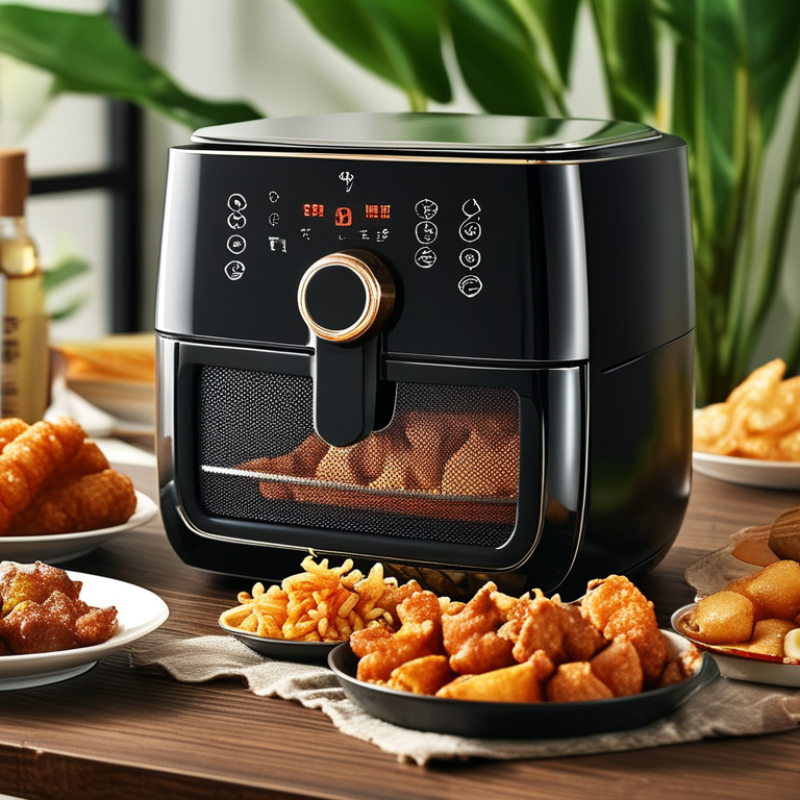
In recent years, air fryers have gained immense popularity in China. Many households are embracing this appliance for its ability to cook healthier meals. The growing interest in air fryers reflects a shift towards more health-conscious eating habits. With easy use and efficient cooking methods, these appliances have found their way into kitchens across the country.
The appeal lies in their versatility. They can fry, bake, and grill, catering to various culinary preferences. People appreciate the short cooking times and reduction in oil use. However, not all users are aware of the energy consumption. Even though air fryers are energy-efficient compared to traditional ovens, they can still contribute to electricity bills.
Despite their convenience, users need to be mindful of their usage. Overreliance on any kitchen appliance raises concerns about sustainability and energy consumption. It’s crucial to maintain a balance in cooking methods. Experimenting with traditional techniques may enhance culinary skills while keeping energy use low. Embracing a variety of cooking methods can lead to more thoughtful meal preparation.
| Air Fryer Model | Power Consumption (Watts) | Average Cooking Time (minutes) | Annual Energy Cost (USD) | Popularity Index |
|---|---|---|---|---|
| Model A | 1400 | 20 | 30 | 95 |
| Model B | 1200 | 25 | 25 | 85 |
| Model C | 1500 | 15 | 35 | 90 |
| Model D | 1100 | 30 | 20 | 80 |
| Model E | 1300 | 18 | 28 | 92 |
When it comes to air fryers, understanding power specifications is crucial for energy-conscious users. Most air fryers operate between 800 to 1800 watts. This range might seem broad, but it affects both cooking speed and electricity consumption. Higher wattage typically results in faster cooking times, while lower wattage may lead to longer preparation periods.
Users often overlook the actual time a device is on. It's not just about wattage; the cooking time matters. An air fryer running at 1500 watts for 30 minutes will consume 0.75 kWh. For reference, this is a significant amount of power for daily use, especially if it's used multiple times per day. Consider these factors when choosing your air fryer.
However, it's essential to think critically about your consumption habits. Are you using your air fryer efficiently? Sometimes, preheating isn't necessary, which can save energy. Additionally, overfilling the fryer may reduce air circulation and increase cooking time. These details might seem small, but they significantly impact overall energy usage. Reflecting on these aspects will lead to more informed choices.
Air fryers have become popular in many kitchens. They offer a healthier cooking option without sacrificing taste. The average electricity consumption of air fryers is a key consideration for users. Understanding this can help manage energy costs and make informed decisions.
Most air fryers consume between 800 to 1,500 watts. The exact power usage will depend on the model and cooking settings. For example, using high temperatures may draw more power. A typical air fryer, if used for 30 minutes, could consume about 0.25 to 0.75 kilowatt-hours. This translates to around 3 to 9 cents per use, depending on local electricity rates.
However, there can be variability. Some meals may require longer cooking times or higher temperatures, increasing consumption. Users should pay attention to their cooking habits. Sometimes, it’s easy to forget about an air fryer left on for too long. Keeping track of usage not only saves money but also promotes energy efficiency in the kitchen.
Air fryers have become popular kitchen appliances. Their energy consumption varies based on several factors. Understanding these factors can help consumers manage electricity use effectively.
The wattage of an air fryer typically ranges from 800 to 2,200 watts. A study from the National Renewable Energy Laboratory indicates that an average air fryer uses about 1,500 watts per use. Cooking time also affects energy consumption. A meal that requires 30 minutes of cooking uses approximately 0.75 kWh of electricity. This amount may seem minimal, yet frequent use can add up significantly.
The size of the air fryer is another crucial element. Larger models often consume more power than smaller ones due to their heating capacity. Additionally, the efficiency of the appliance can be influenced by the food being prepared. Dense vegetables might take longer to cook, leading to higher energy use. Cooking at lower temperatures can also increase time and energy required.
Users should consider these factors when choosing an air fryer and planning their meals.
When analyzing the electricity consumption of air fryers in China, it's essential to compare them with other common kitchen appliances. Air fryers generally consume between 1,200 to 1,800 watts. This range is similar to that of electric ovens, which often require about 2,000 watts. Microwave ovens, on the other hand, use around 600 to 1,200 watts. This shows that air fryers can be surprisingly efficient for their functionality.
While air fryers use moderate electricity, their efficiency can save energy over time. They typically cook food faster, which means less power is needed per meal. However, some may remain skeptical about their energy savings, especially if they use air fryers for every meal. The convenience can lead to higher overall usage, potentially offsetting any energy efficiency benefits.
It’s also important to consider other factors like cooking habits. If users rely heavily on air fryers, the cumulative electricity consumption can be significant. Additionally, inefficient models may draw more power than advertised. Reflecting on usage patterns can help consumers make informed choices about kitchen appliance efficiency. Careful consideration can lead to both energy savings and better meal preparation practices.
: Air fryers are popular for their ability to cook healthier meals quickly. They cater to health-conscious habits.
They can fry, bake, and grill food, offering versatility to users in cooking methods.
Air fryers are generally energy-efficient compared to traditional ovens. However, they still contribute to electricity bills.
Most air fryers operate between 800 to 1800 watts, affecting both cooking speed and energy consumption.
The total energy consumed depends on both wattage and how long the air fryer is in use.
Preheating isn't always necessary. Avoiding it can save energy in your cooking process.
Yes, overfilling reduces air circulation, increasing cooking time and energy use.
Think about power specs, cooking habits, and how often you plan to use it.
Experimenting with traditional methods alongside the air fryer may enhance skills and reduce energy use.
Overreliance on one appliance can limit cooking techniques and raise sustainability concerns.
In recent years, air fryers have surged in popularity across China due to their ability to prepare healthier meals with less oil. Understanding how much electricity does an air fryer use is crucial for consumers who want to manage their energy bills effectively. Typically, air fryers have power specifications ranging from 800 to 1500 watts, which affects their overall electricity consumption.
On average, the electricity consumption of air fryers varies, influenced by factors such as cooking temperature, duration, and the type of food being prepared. Additionally, when comparing air fryers to other kitchen appliances, they generally consume less energy, making them a more efficient option for everyday cooking. Thus, for households seeking energy-efficient cooking solutions, air fryers present a compelling case in terms of both health benefits and electricity usage.
