Beezz Fryer
Choosing the right kitchen appliances is crucial for any home chef. Stainless steel appliances have gained immense popularity in modern kitchens. They are not just stylish but also durable and functional. So, what are the benefits of stainless steel kitchen appliances?
One major advantage is their resistance to corrosion and staining. This feature ensures that the appliances retain their look even after years of use. Additionally, stainless steel is easy to clean. A simple wipe can keep surfaces looking new. However, maintaining their shine may require more effort than some users expect.
Another benefit lies in their ability to blend with various kitchen designs. Stainless steel appliances can complement both contemporary and traditional themes. Nevertheless, they can be prone to fingerprints and smudges. Regular upkeep is necessary to maintain their appeal. Ultimately, understanding these pros and cons will help you make an informed choice.
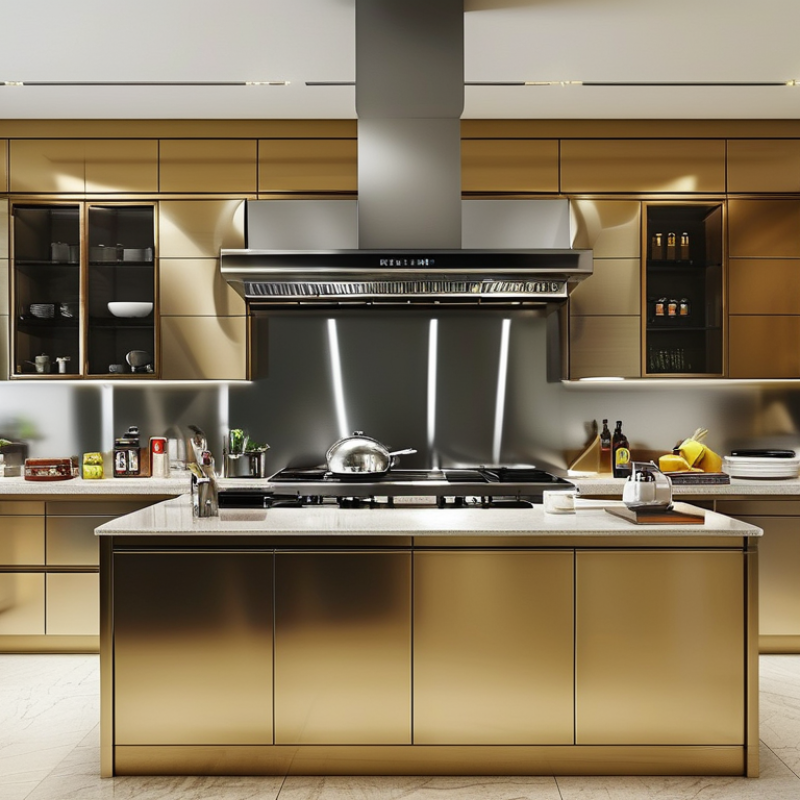
Stainless steel kitchen appliances have become increasingly popular due to their numerous advantages. One notable benefit is their resistance to corrosion and staining. According to the Association of Home Appliance Manufacturers (AHAM), over 70% of households choose stainless steel for its durability. This material not only withstands tough conditions but also maintains a sleek appearance over time.
Another significant aspect is easy maintenance. Stainless steel surfaces can be cleaned with a simple mixture of vinegar and baking soda, making them more hygienic than other materials. Research from the Kitchen and Bath Industry Show indicates that 68% of users prefer stainless steel appliances for their ease of cleaning. This might be vital for busy households that prioritize cleanliness and efficiency.
When selecting stainless steel appliances, consider the gauge of the steel. Thicker gauges may provide better durability but can also be heavier. It’s essential to weigh the balance between strength and ease of installation. Pay attention to fingerprints. Some finishes resist smudges, making upkeep easier. Evaluate the surface type that suits your lifestyle.
When selecting stainless steel kitchen appliances, it's essential to focus on key features. Durability is one of the foremost attributes. Stainless steel is generally resistant to rust and corrosion, making it a long-lasting option. According to the Consumer Reports, nearly 75% of homeowners prefer stainless steel for its resilience. It not only withstands daily use but also retains its aesthetic appeal over time.
Another critical feature is energy efficiency. Appliances that are ENERGY STAR certified can save homeowners a significant amount on energy bills. The U.S. Department of Energy reports that energy-efficient models can use up to 50% less energy than standard appliances. This translates not just to savings, but also a lower environmental impact.
Lastly, consider ease of maintenance. Stain-resistant and easy-to-clean surfaces can enhance the user experience. Research shows that a clean kitchen can improve food safety, reducing the chance of contamination. While stainless steel looks sleek and stylish, it can show fingerprints and smudges. Regular upkeep is necessary, which may not be ideal for everyone. Balancing these factors can help ensure you choose appliances that provide both functionality and aesthetic appeal.
In the world of stainless steel kitchen appliances, choosing the right brand and model is crucial for performance and durability. According to a recent industry report, over 70% of homeowners prefer stainless steel for its sleek look and resistance to corrosion. Yet, with numerous brands on the market, comparing their features is essential for making an informed decision.
Different brands often promise varying benefits. For instance, some models offer energy-efficient designs that can save households up to 20% on electricity bills. However, not all brands deliver on this promise. Consumer feedback reveals that high-end models sometimes lack the anticipated longevity, with some users reporting issues within just a few years. Research shows that durability and warranty length are key factors in consumer satisfaction, with nearly 65% of buyers prioritizing these elements when selecting appliances.
When assessing features, design and usability matter as well. Some models boast advanced digital controls and smart technology, but not all homeowners find these features intuitive. A study highlighted that nearly 40% of users preferred traditional controls for ease of use. Thus, while high-tech options may seem appealing, simplicity often wins out in practicality. Balancing aesthetics, efficiency, and user-friendliness is vital in choosing the best stainless steel appliances.
When it comes to maintaining stainless steel kitchen appliances, attention to detail is crucial. Regular cleaning is key for preventing streaks and smudges. A study from the National Association of Home Builders found that a majority of homeowners prefer stainless steel for its durability and aesthetic appeal. However, according to research by Consumer Reports, many do not realize the importance of the right cleaning methods.
Using soap and water is often sufficient for daily cleaning. For tougher stains, a mixture of vinegar and baking soda can work wonders. This method not only cleans effectively but is also environmentally friendly. A survey indicated that over 60% of users reported improved longevity in their appliances after adopting gentle cleaning techniques.
While stainless steel is resistant to rust and corrosion, it's not completely impervious. Scratches can accumulate over time, diminishing its shine. It’s essential to avoid abrasive cleaners. In fact, research shows that regular upkeep can extend appliance life by as much as 20%. Users often overlook this aspect, which can lead to overlooked maintenance issues. Implementing these practical steps can help maintain the beauty and function of stainless steel appliances for years to come.
| Appliance Type | Benefits | Maintenance Tips | Average Lifespan |
|---|---|---|---|
| Refrigerator | Durable, resistant to rust and stains | Clean regularly with mild detergent, avoid abrasive materials | 10-15 years |
| Oven | Even heating, easy to clean | Wipe spills immediately, use oven cleaners sparingly | 10-20 years |
| Dishwasher | Hygienic, reduces water usage | Check filters regularly, run hot water through before cycle | 9-12 years |
| Microwave | Fast cooking, energy efficient | Clean spills with damp cloth, avoid metal containers | 5-10 years |
When planning for stainless steel kitchen upgrades, budgeting is crucial. Research indicates that stainless steel appliances can range from $1,000 to over $4,000, depending on size and features. It’s essential to assess what you truly need versus what can wait. A survey by the National Kitchen and Bath Association found that nearly 40% of homeowners underestimate the costs associated with installation and maintenance.
Additionally, consider energy efficiency. Appliances with ENERGY STAR ratings may have a higher upfront cost but can save you over $300 in energy bills annually. This can offset the initial investment over time. However, a report from the U.S. Department of Energy reveals that homeowners often overlook the long-term savings of energy-efficient models.
Be mindful of the potential hidden costs. Installation may involve plumbing or electrical upgrades that are necessary for new appliances. An average installation cost can range from $200 to $500, which is often unaccounted for in initial budgeting. As you plan your kitchen remodel, being aware of these factors can help in making informed decisions.
: Focus on durability, energy efficiency, and ease of maintenance. These features enhance both function and aesthetic appeal.
Stainless steel resists rust and corrosion, ensuring long-lasting performance. It also maintains its visual appeal over time.
Energy-efficient appliances save you money on bills. Models with ENERGY STAR ratings use up to 50% less energy.
Use soap and water for daily cleaning. For tougher stains, try a mixture of vinegar and baking soda for eco-friendly results.
Yes, scratches can diminish their shine. Avoid abrasive cleaners to maintain the appliance's surface quality over time.
Installation costs, electrical or plumbing upgrades may arise. These can range from $200 to $500, which many overlook initially.
Regular cleaning is essential to prevent streaks and maintain appearance. A majority of users notice improvements with consistent maintenance.
Yes, they can be pricier initially, but the long-term savings on energy bills may outweigh the higher investment.
Many users overlook simple cleaning and upkeep. This neglect can lead to more significant maintenance problems down the line.
A clean kitchen reduces contamination risks, contributing to healthier food preparation and overall better hygiene standards.
When considering kitchen upgrades, many homeowners ponder what are the benefits of stainless steel kitchen appliances. These appliances not only offer a sleek and modern aesthetic but also provide durability and resistance to rust and corrosion, making them a popular choice for any kitchen. Key features to look for include energy efficiency, ease of use, and versatility in design, ensuring they complement your kitchen layout seamlessly.
In addition to understanding the advantages, it's crucial to compare different brands and models to find the perfect fit for your needs. Maintenance tips are essential for keeping your stainless steel appliances looking new for years to come, including regular cleaning and avoiding abrasive materials. Finally, budgeting for stainless steel kitchen upgrades involves considering initial costs and potential long-term savings in energy efficiency, making it a wise investment for your home.