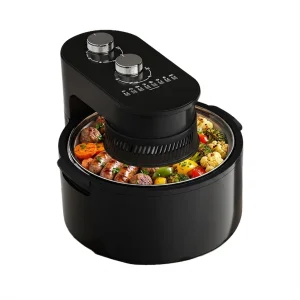
Beezz Fryer
Beezz Fryer
Beezz Fryer
Explore high-performance thermal-circulating fryers engineered for maximum thermodynamic uniformity, safety compliance, and energy savings.
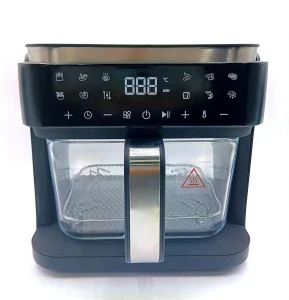
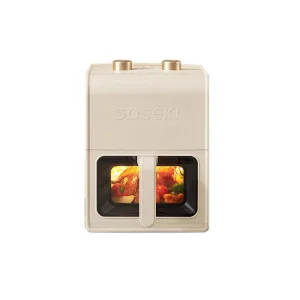
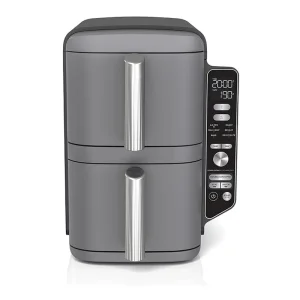
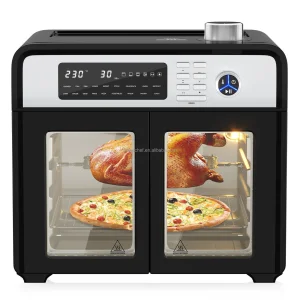

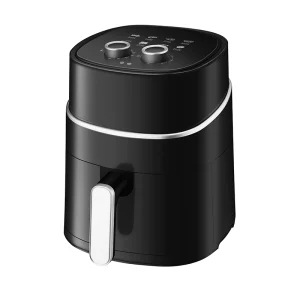
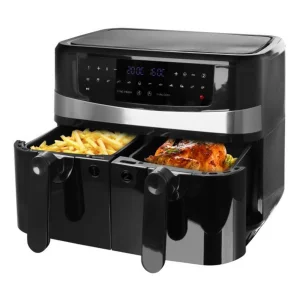
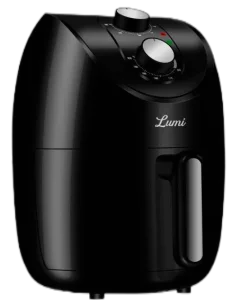
In the modern consumer appliance sector, the term "fryer with air circulation" represents a fundamental pivot from conventional radiative cooking methods to high-velocity convective thermodynamics. Unlike traditional oil frying, which transfers thermal energy via liquid immersion, air circulation technology uses high-intensity heating elements coupled with specialized fan blades to envelope food inside a fast-moving, pressurized envelope of superheated air.
This whitepaper explores the operational capacities, manufacturing standards, and structural developments driving the global supply chain for these appliances. By focusing on Dongguan Beezz Fryer Co., Ltd. and other leading production centers in South China, we provide B2B procurement managers, retail buyers, and brand owners with the insights required to navigate supplier selection, assess quality control, and integrate emerging smart technologies.
The core mechanism behind a high-efficiency air circulation fryer lies in dynamic heat transfer. Modern systems employ a dual-action system: a powerful heating element (typically spiral coiled stainless steel or carbon-halogen) positioned near the top of the chamber, combined with a high-velocity fan directly above it.
When active, the fan generates a localized high-pressure zone, pushing air through the heating element. It is then guided downward through custom channels along the chamber walls and back up through the perforated food basket. This creates a continuous, high-speed thermal loop—often referred to as a 360-degree high-speed air circulation system.
By maintaining high air velocities, these fryers strip away the boundary layer of moisture surrounding food surfaces. This triggers the Maillard reaction (the chemical reaction between amino acids and reducing sugars that gives browned food its desirable flavor) using only the natural oils present in the food. The result is a crispy exterior texture and juicy interior, achieved with up to 85% less oil than conventional deep frying.
Utilizes computational fluid dynamics (CFD) modeling to configure heat shield structures, preventing hot spots and eliminating the need to manually flip food mid-cycle.
Inner compartments and frying trays feature PFOA/PFAS-free ceramic non-stick coatings, maintaining chemical stability even when exposed to temperatures exceeding 220°C.
Embedded microcontrollers support Wi-Fi and Bluetooth connectivity, letting users monitor cook cycles, sync dual-basket zones, and download cloud recipes.
Dongguan Beezz Fryer Co., Ltd. is a leading China stainless steel air fryer manufacturer and smart kitchen appliance supplier, specializing in the design, development, and production of innovative cooking solutions for global markets. With years of manufacturing experience and a strong commitment to quality, Beezz Fryer provides reliable, energy-efficient, and user-friendly kitchen appliances for household and commercial applications.
Located in Dongguan, China, the company's manufacturing facility is equipped with advanced production lines, precision testing equipment, and strict quality management systems. Every product undergoes comprehensive inspections to ensure excellent performance, durability, and safety. Beezz Fryer implements rigorous quality control procedures throughout the entire production process to guarantee consistent product excellence.
The company is dedicated to providing flexible OEM and ODM services for international brands, wholesalers, distributors, retailers, and e-commerce businesses. An experienced R&D team works closely with customers to develop customized products tailored to specific market requirements, including appearance design, functionality, packaging, and branding solutions.
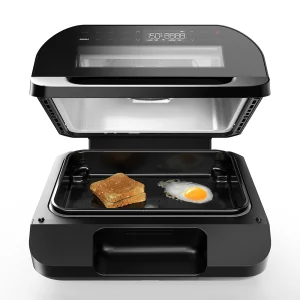
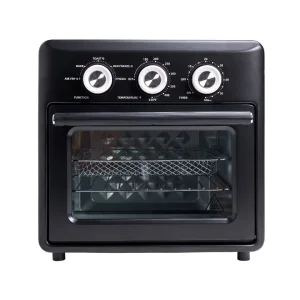
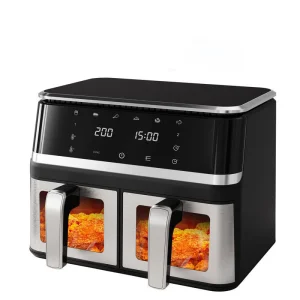
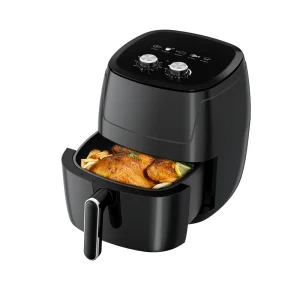
Beezz Fryer's modern catalog integrates advanced convective heating technology across multiple popular product configurations:
To assist global buyers in identifying reliable supply partners, the following matrix analyzes the top ten manufacturing entities in this space, highlighting their core focus areas and primary export regions.
| Manufacturer Name | Production Hub | Core Specialization | Key Certifications | Primary Target Markets |
|---|---|---|---|---|
| Dongguan Beezz Fryer Co., Ltd. | Guangdong, China | Stainless Steel, OEM/ODM Smart WiFi Air Fryers & Ovens | CE, GS, CB, RoHS, FDA, LFGB | North America, Western Europe, Japan |
| Cosori Appliances Ltd. | Shenzhen, China | Smart Home Eco Integration & Consumer UI Design | FCC, ETL, CE | United States, European Union |
| Midea Kitchen Division | Foshan, China | High-Volume Conglomerate Scale & Entry-Level Mechanical units | ISO9001, CCC, CB, CE | Global Scale Distribution |
| Secura Culinary Products | Zhejiang, China | Large-capacity mechanical units for budget retail retail lines | ETL, GS, FDA | North America, UK |
| Philips Domestic Appliances | SuZhou/Europe Hubs | Twin TurboStar aerodynamic designs (High-End Patents) | UL, VDE, KEMA | Global Luxury Segments |
| Tefal SAS (SEB Group) | France / Asia Partnerships | Stirring paddle integrated convection units (Actifry series) | CE, NF | Europe, Middle East |
| Ningbo Careline Co., Ltd. | Zhejiang, China | Mass production of economic plastic shell digital models | GS, CE, CB, SAA | Southeast Asia, South America |
| Guangdong Bear Electric Co. | Shunde, China | Aesthetic mini air fryers targeting Gen Z & single-person use | CCC, CE, KC | East Asia, South Korea |
| Joyoung Intelligent Tech | Shandong, China | Steam-assisted convection air circulation combinations | ISO14001, CCC, CE | Domestic China, Southeast Asia |
| Deerma Appliances Co. | Foshan, China | Visual glass window configurations & compact form factors | CE, RoHS, KC | Asia-Pacific, Russia |
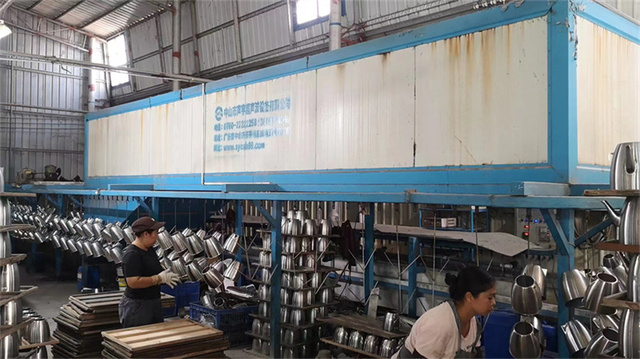
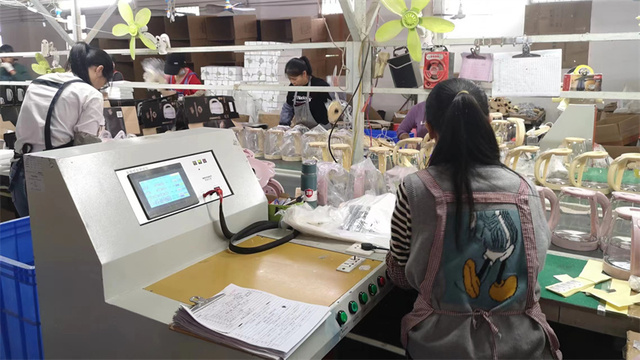
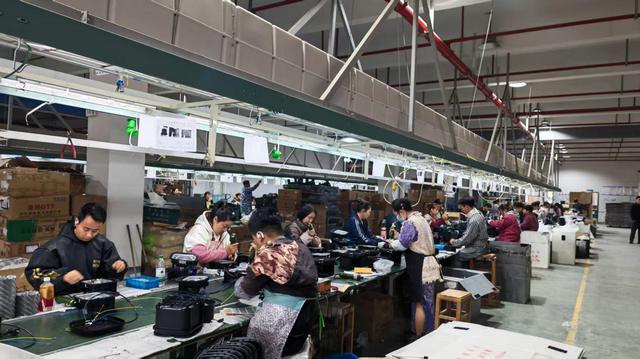
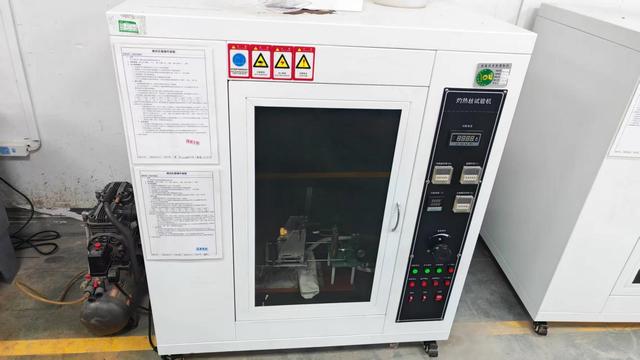
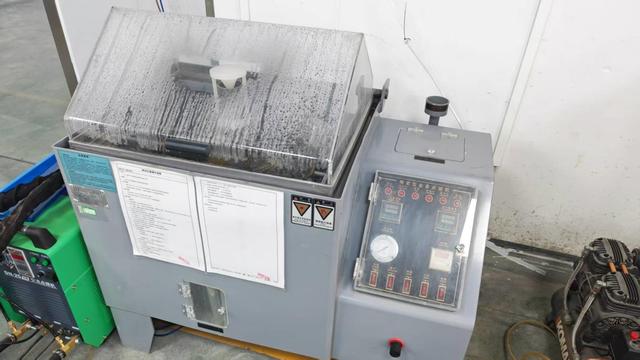
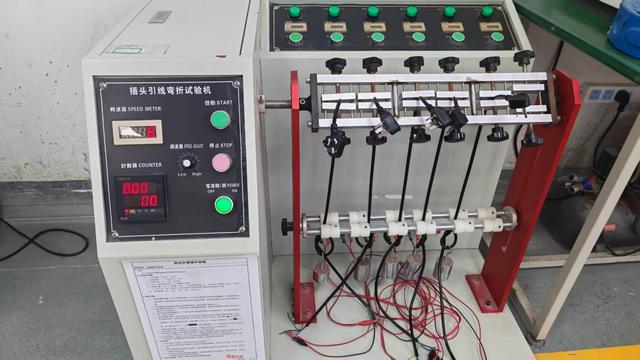
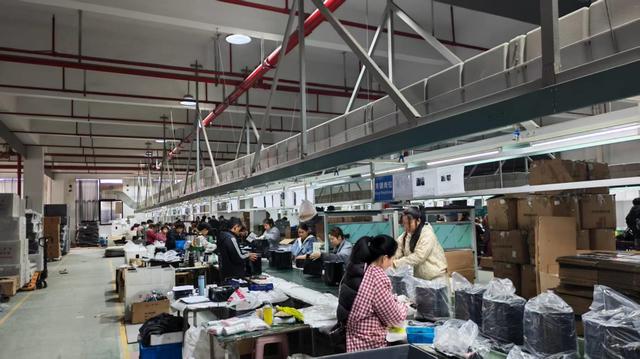
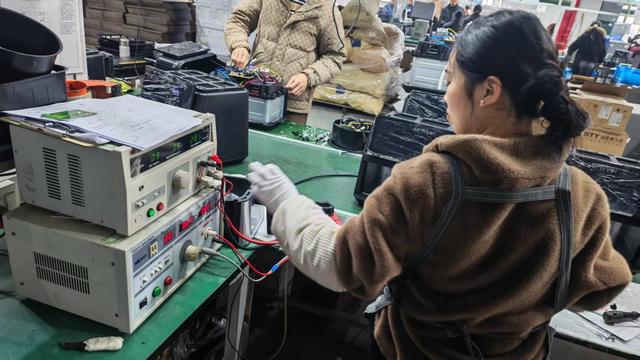
Dongguan Beezz Fryer Co., Ltd.'s manufacturing operations rely on structured industrial processes. To guarantee mechanical stability, durability, and consumer safety, the facility uses advanced quality control checkpoints. These range from Incoming Quality Control (IQC) for heating elements and PCBs to Outgoing Quality Control (OQC) for packed containers. Below are actual insights from the factory floors, testing chambers, and assembly lines.


Global markets present diverse consumer preferences and strict regulatory environments. A one-size-fits-all product strategy often fails due to variations in electrical parameters, kitchen space constraints, and regional culinary habits. High-velocity air circulation technology must be adapted accordingly:
Requires large-capacity models (typically 5.5 to 11 quarts) to accommodate whole family meals. Dual-basket configurations are popular here, allowing users to cook two distinct foods simultaneously. Technical Compliance: Products must meet UL 1026 standards, hold FCC certification for smart components, and use FDA-approved non-stick food coatings.
Demands space-saving footprints due to compact kitchen setups. High value is placed on energy efficiency (ErP Ecodesign Directive) and low noise emission rates during operation. Technical Compliance: Essential requirements include CE, GS (Geprüfte Sicherheit) marking, RoHS, and food-grade LFGB certification for all food-contact surfaces.
Favors smaller, design-forward units (2 to 4 liters) tailored for individual or double-person households. Features like visual window monitoring and steam-assisted baking systems are highly valued. Technical Compliance: Products must comply with PSE certification (Japan Electrical Appliance and Material Safety Law) and KC certification (South Korea).
Selecting a supplier located in Dongguan, China offers concrete strategic advantages for B2B buyers. Known as a premier global manufacturing center, the region hosts a highly integrated industrial ecosystem. For air circulation fryers, this means raw sheet metal stamping, precision plastic injection molding, high-performance heating loop production, and PCB component sourcing all occur within a 50-kilometer radius.
This concentration reduces transit times for raw materials, protects against international logistics disruptions, and accelerates product development cycles. An ODM prototype that might take months to finalize elsewhere can often be designed, refined, and safety-tested in Dongguan within just 3 to 4 weeks.
| Supply Chain Metric | Dongguan Ecosystem Performance | Strategic Advantage for Global Brands |
|---|---|---|
| Prototype Lead Time | 14 - 21 Days from CAD sign-off | Enables rapid responses to emerging market trends and fast SKU launches. |
| Component Sourcing Radius | < 50 Kilometers (Local cluster) | Minimizes material shipping costs and protects against regional supply delays. |
| Component Quality Control | Automated optical inspections (AOI) on PCB lines | Improves electronic reliability, lowering return rates to less than 0.3%. |
| Port Access & Shipping | Direct proximity to Shenzhen & Guangzhou Ports | Ensures fast container loading and optimized maritime shipping routes. |
The future of air circulation cooking technology is focused on automation and efficiency. Forward-looking research and development centers, including the engineering labs at Dongguan Beezz Fryer Co., Ltd., are prioritizing several major innovations:
Refined, high-capacity models configured for heavy-duty residential usage and commercial kitchen environments.